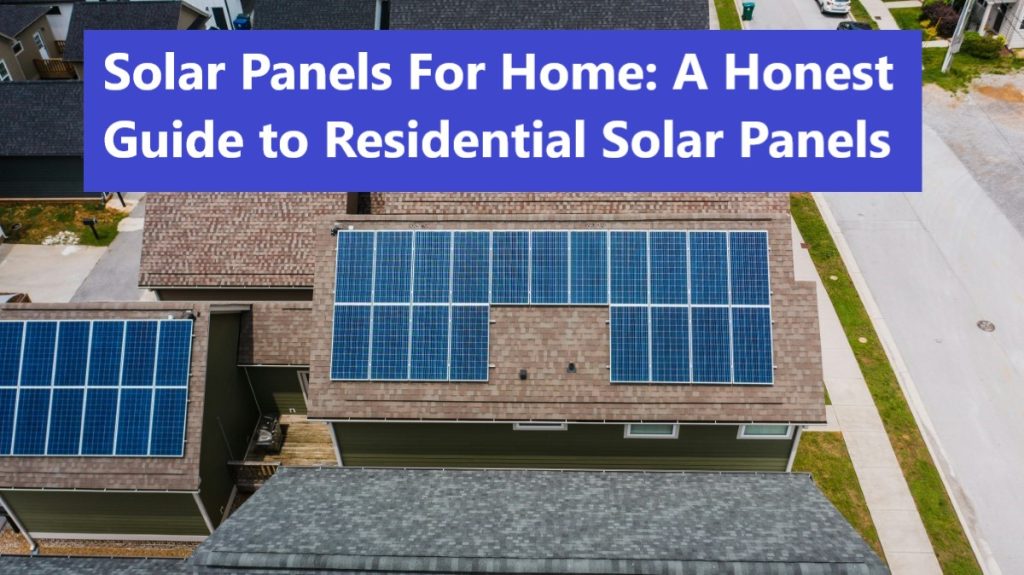
Solar Panels For Home: An Honest Guide to Residential Solar Panels
- Key takeaways
- Residential Solar Installation Checklist
- Will the actual solar panels cost break your bank account?
- Does state electricity really stand a chance against a private roof array?
- Can you calculate the exact moment your system pays for itself?
- Are the pros and cons of solar panels balanced fairly?
- Which solar panels are good for my house specifically?
- Is your roof actually a candidate for this technology?
- What about the Environmental benefits beyond the marketing fluff?
- How do you navigate the steps of going solar without getting scammed?
- Do solar panels actually increase your property value?
- What happens when the sun goes down or the clouds move in?
- Is the maintenance going to be a nightmare for you?
Key takeaways
- Own your own solar based system rather than leasing it to maximize both tax credits and home resale value.
- The 30% federal tax credit is the single biggest factor in making the math work for a 6 to 10-year payback.
- Prioritize monocrystalline panels with low degradation rates to ensure your investment lasts three decades.
- Verify your roof’s solar access percentage and structural age before committing to an installation contract.
Stop renting your power from the state lines. That is essentially what a monthly utility bill represents – a never-ending subscription to an service that gets more expensive every year.
Residential Solar Installation Checklist
Download the complete U.S. Homeowner’s Solar Guide. Protect your roof, structure, and investment before construction begins.
Installing solar panels turns that monthly liability into a home asset that eventually generates free electricity. It is the difference between leasing a car forever and finally paying off the title. Once the system is paid for, the fuel from the sun costs exactly zero dollars.
Calculate Power Generation & Annual Savings using Solar PanelsThe United States just hit a massive milestone of 5 million solar installations. You can see the data breakdown at this data source which shows how quickly the residential market of solar is growing. Most of these people aren’t just doing it for the planet; they are doing it because the math on the grid has become unsustainable.
Will the actual solar panels cost break your bank account?
Expect to pay between $2.50 and $3.30 per watt for a standard residential installation before any tax breaks. For a typical 8kW system, that lands you somewhere in the neighborhood of $20,000 to $26,000.
It sounds like a heavy hit to the savings account. I get it. But the Federal Government is currently providing 30% as subsidy of that bill through the Residential Clean Energy Credit. You can read the specific IRS eligibility rules here. That credit alone make a big difference and things get 30% cheaper, so you are spending a lot less.
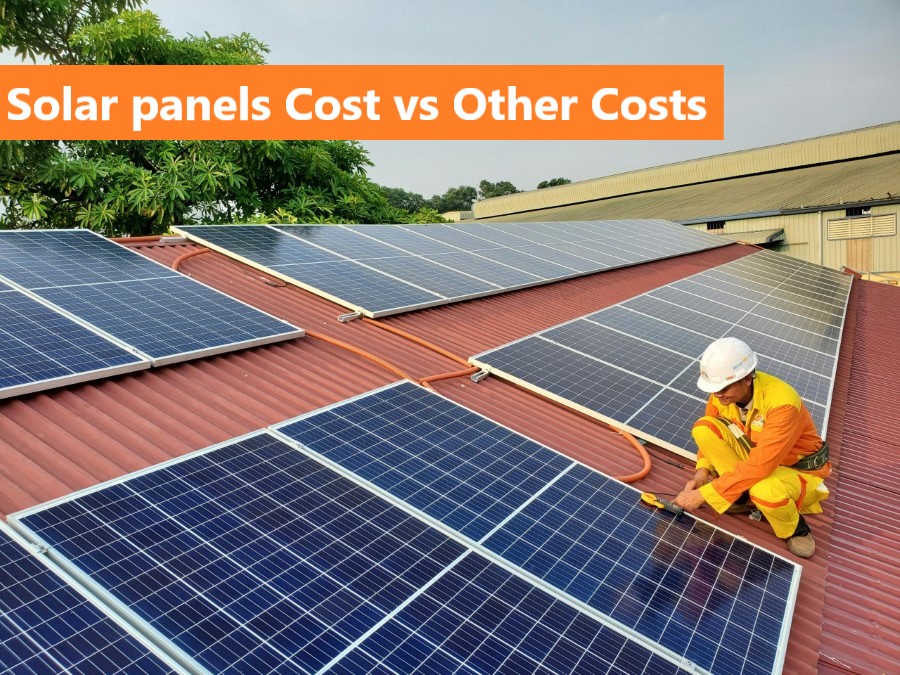
Hardware isn’t even the biggest part of the bill. It is the soft costs – permits, inspections (personally, the biggest headache for me) , and labor – that is where huge chunk of your investment is spent. If you live in a city with a bloated bureaucracy, you will pay more just to get the paperwork signed than someone in a solar-friendly rural county.
Does state electricity really stand a chance against a private roof array?
Utility companies have a monopoly on the wires, but they no longer have a monopoly on the generation. State-provided electricity prices have been climbing at a rate that far outpaces general inflation in many regions.
This latest data from the U.S. Energy Information Administration at shows that how your local rates are as compared to the national average. In places like California or Massachusetts, the cost per kilowatt-hour is high enough that solar isn’t just a “good idea,” it is a real financial survival thing. And things are going to worsen more in upcoming years, with the exponential increase in use of AI. Data Centers, Servers, manufacturing units will eat the power on a very large scale. Demand supply imbalance will surely effect the prices in domestic use electricity.
When you buy solar panels for home use, you are essentially pre-purchasing 25 years of electricity at a fixed rate. Even if the utility company doubles their prices next summer, your cost stays the same. You have effectively opted out of the annual rate-hike cycle.
Can you calculate the exact moment your system pays for itself?
Most homeowners see a full return on investment within 6 to 10 years. Any electricity generated after that “break-even” point is purely profit for the remainder of the system’s life.
Solar Panel kWh CalculatorThe math is simpler than the sales guys make it out to be. Take your total system cost, subtract the 30% federal tax credit and any local rebates, then divide that by your annual electricity savings. If you spend $150 a month on power, that is $1,800 one year. If your system costs $14,000 after credits, your payback period is roughly 7.7 years or say 8 years including all other cleaning and other such unpredictable costs.
I have seen people get frustrated because their neighbor’s system paid for itself in 5 years while theirs took 9. Sunlight is consistent, but local policy is not. If your state has weak net metering laws – where the utility pays you pennies for the extra power you send back – your payback period will naturally stretch out.
Are the pros and cons of solar panels balanced fairly?
Financial independence and home value increases sit on one side, while high entry costs and roof restrictions sit on the other. It is an exchange of immediate liquidity for long-term equity.
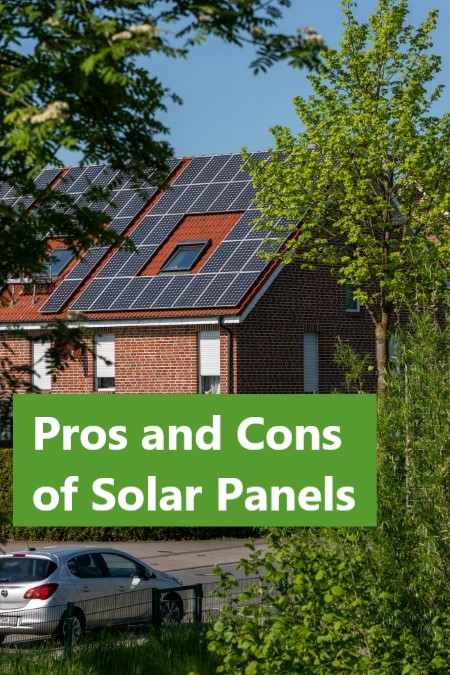
The biggest pro is the hedge against inflation. The biggest con is the “locked-in” nature of the tech. If you install a system today and a revolutionary new panel comes out in two years, you can’t easily swap them. You are married to that hardware for the next two decades.
Another often ignored downside is the roof’s condition. Putting a 25-year solar system on a roof that only has 5 years of life left is a disaster. You will have to pay thousands just to have the panels removed and reinstalled when the shingles need replacing.
Which solar panels are good for my house specifically?
Monocrystalline panels are the gold standard for residential roofs because they offer the highest efficiency in the smallest footprint. If you have limited roof space, don’t even look at polycrystalline or thin-film options.
Efficiency ratings tell you how much of the sun’s energy the panel can actually convert. Top-tier panels currently hover around 20% to 22% efficiency. NREL researchers are tracking these technical gains since 1976. It sounds low, but compared to the tech from a decade ago, it is a massive leap.
You may also like these Articles

Next FIFA World Cups: The Mega-Stadiums and Desert Cities Hosting the World Cup Through 2034
Explore the World Cup's audacious future: from Spain and Morocco's high-stakes rivalry for the 2030 Final to Saudi…
Mastering Home Solar Math: A Guide to kWh Estimators and Incentives
Stop guessing your solar savings. Learn how to use a solar panel kWh calculator to predict home energy…
I always tell people to look at the degradation rate. Most panels lose about 0.5% of their production capacity every year. A high-quality panel will still be producing 85% to 90% of its original rated power after 25 years. If the warranty doesn’t guarantee at least 80% after two decades, keep walking.
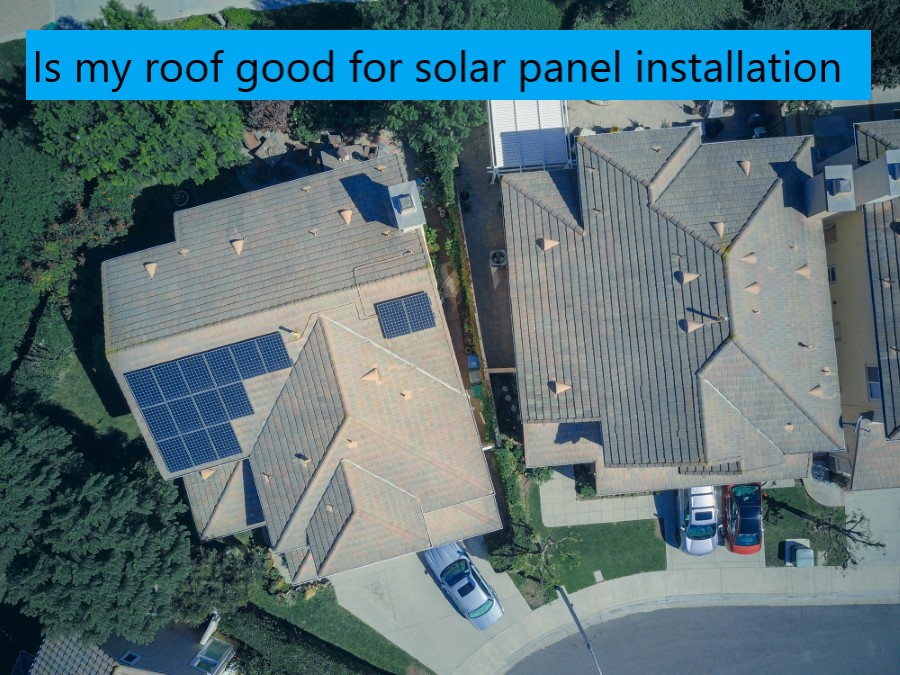
Is your roof actually a candidate for this technology?
Orientation and shading are the two silent killers of solar ROI. A north-facing roof in the northern hemisphere is almost useless, regardless of how expensive the panels are.
South-facing is the sweet spot, but east and west can work too if the roof is large enough to compensate for the lower production. If you have a massive oak tree casting a shadow over your house for four hours a day, your production will plummet.
So, check your roof’s “solar access” before signing a contract. A professional installer should use a tool like a Solmetric SunEye to give you an exact percentage of how much sun your roof actually sees throughout the year. Also confirm it with this Google backed project Sunroof, to measure the face, direction and amount of sun light on your roof. If that number is below 70%, the financial argument for solar starts to fall apart.
What about the Environmental benefits beyond the marketing fluff?
Solar is a zero-emission energy source once installed, which is great, but the real benefit is the reduction in water consumption at power plants. Traditional coal and nuclear plants require billions of gallons of water for cooling; solar needs zero.
The “carbon debt” of manufacturing a solar panel is usually paid back within the first 2 years of operation. After that, the system is a net-positive for the environment. It is one of the few home improvements that actually lowers your household’s total ecological footprint without requiring a lifestyle change.
I find that people get too hung up on the “green” aspect. Look, being a good steward of the planet is excellent. But solar succeeds because it is a superior technology for decentralized power. It makes the grid more resilient by spreading out the generation points.
Some reports says, that reflections from solar panels irritate birds, but I didn’t found any solid report. Suggest me in comments, if you have any!
How do you navigate the steps of going solar without getting scammed?
Start with multiple quotes and never sign a contract with a door-to-door salesman on the first visit. The high-pressure sales tactics in this industry are legendary and should be treated as a massive red flag.
The process usually follows a specific rhythm: initial consultation, site visit by an engineer, permit application, installation, and finally, the utility company granting “Permission to Operate” (PTO). That last part can take weeks (sometimes ages) of waiting for a Government inspector to show up.
Make sure your quote includes the mounting hardware and the inverter. The inverter is the brain of the system that converts the DC power from the panels into the AC power your fridge needs. If you have a complicated roof with lots of shade, ask for microinverters or power optimizers. They cost more, but they prevent one shaded panel from dragging down the entire system’s performance. I faced this problem personally, which costed me 3 times then if I got one installed with the initial installations.
Do solar panels actually increase your property value?
Data from Zillow and other real estate aggregators suggests that homes with solar sell for about 4% more on average than comparable non-solar homes. In high-cost energy markets, that premium can be even higher.
Buyers like the idea of a “pre-paid” electric bill. However, this only applies if you own the system. If you are in a solar lease or a Power Purchase Agreement (PPA), it can actually make the house harder to sell because the new buyer has to qualify for and take over your lease payments.
I tell everyone: if you plan to move in three years, do not buy solar. The upfront costs are too high to recoup in that short of a timeframe. Solar is a long-term play. It is for the person who plans to be in their “forever home” or at least stay put for a decade.
What happens when the sun goes down or the clouds move in?
You stay connected to the grid. Unless you spend an extra $10,000 to $15,000 on a battery backup like a Tesla Powerwall, you will still pull power from the utility company at night.
Net metering system is the one great option that makes things work. During the day, your panels produce more than you need, and you “sell” that extra back to the grid. At night, you buy it back. In a perfect world, these two numbers cancel each other out, leaving you with a $0 bill.
Try our other Tools

FIFA World Cup 2026 Group Stage Qualifier Calculator
Calculate who qualifies from any World Cup 2026 group. Enter match scores and get instant standings using official…

Medicare IRMAA Surcharge Calculator
Quickly estimate your 2026 Medicare Part B and Part D income-related adjustments. Input your 2024 MAGI to see…

Landlord Rent Increase Legality Checker
Find out instantly whether your landlord's rent increase is legal. Our free Rent Increase Legality Checker covers state,…
Without a battery, a solar-powered house will still lose power during a grid blackout. The system is designed to shut off automatically to prevent sending electricity back into the lines while workers are trying to fix them. If you want “off-grid” capability, you have to pay the battery premium, which is a two-edged sword.
Is the maintenance going to be a nightmare for you?
Solar panels have no moving parts. Aside from the occasional cleaning to get rid of dust (in most of the areas) or bird droppings, they are remarkably self-sufficient. But if your solar panels are installed nearby a road or somewhere dust or ashes fly, then I will say “Bro, also brought a wiper, pressure pump, a mop with your solar panels, now onwards, you have a new job.”
If you live in a place with regular rain, you might never need to clean them at all. The rain does the work for you. If you live in a desert, a quick hose-down once a quarter can boost your production by 5% to 10%.
The inverter is the only part likely to fail before the 25-year mark. Most string inverters have a 10 to 12-year warranty, while microinverters usually match the panels at 25 years. Budget for a potential inverter replacement around year 15 just to be safe.
Quality & Expertise Assurance

Sam
With 20+ years in banking, insurance and energy sector, Sam has worked with US and Canadian firms. He combines deep industry expertise with strong web development skills, offering practical insights that bridge finance and technology.